A photo essay is a set of photographs, put in a deliberate order and paired with captions or a short text, that tells a story or makes an argument no single picture could. There are two kinds. A narrative essay follows a person or an event through time, the way W. Eugene Smith followed a Colorado doctor for LIFE in 1948. A thematic essay gathers pictures around one idea, the way Robert Frank's The Americans gathered 83 frames about a country. Length varies widely. In World Press Photo's 2026 contest, a story was 4 to 10 images and a long-term project 24 to 30.
The essays below are described rather than reproduced, since the photographs are under copyright. Each credit tells you where to find the original.
Narrative vs thematic photo essays
Decide which one you're making before you shoot. It sets how long you need and whom you need access to.
| Question | Narrative essay | Thematic essay |
|---|---|---|
| QuestionWhat holds it together | Narrative essayTime: one person, event or process, start to finish | Thematic essayAn idea: many subjects that share a place, condition or question |
| QuestionTypical opening | Narrative essayA wide frame that sets the place and the time | Thematic essayThe image that states the theme most plainly |
| QuestionTypical ending | Narrative essayThe consequence, or the quiet after it | Thematic essayAn image that turns the theme or leaves it open |
| QuestionAccess you need | Narrative essayDeep access to a few people | Thematic essayBrief access to many people or places |
| QuestionUsual failure | Narrative essayA diary with no turning point | Thematic essayA pile of good pictures with no argument |
Famous narrative photo essays
LIFE, relaunched as a picture weekly in November 1936, made the narrative photo essay a mass form. Its best essays came from photographers who stayed with one subject for weeks.
Smith spent several weeks in August 1948 with Dr. Ernest Ceriani, a general practitioner in Kremmling, Colorado, a thinly populated ranching area in the Rockies. The essay follows him through house calls, surgery and late nights. One famous frame shows Ceriani walking through a field with his bag under a heavy sky. Another shows him in a kitchen, exhausted, after a Caesarean in which both mother and baby died.
What it teaches: one character can carry an essay, and the low point is what readers remember. Stay until the subject stops performing for you.
Smith persuaded his editors to let him profile Maude Callen, a Black nurse midwife working in rural South Carolina, and kept her schedule for weeks, from before dawn into the evening. Reader donations helped build her a clinic, which opened in Pineville in May 1953.
What it teaches: a working day is the simplest narrative spine, and one person moves readers more than a statistic does.
Burrows flew with a Marine helicopter squadron in Vietnam on a single mission on March 31, 1965. The essay runs from takeoff to a landing zone under fire, where the wounded co-pilot of another helicopter is pulled aboard and dies, and ends back at base with the grief of the door gunner, Lance Farley.
What it teaches: the tightest narrative covers hours, not weeks. Keep strict chronology and give the emotional climax its own space after the action.
Parks pitched LIFE a story on gang wars in Harlem, then spent a week driving Red Jackson, leader of the Midtowners, and his friends around in his car before he used his camera at all. The essay won him a staff job at the magazine, where he worked until 1972.
What it teaches: access comes before pictures. A week without shooting bought frames no one else could make.
Parks photographed the da Silva family in the Catacumba favela on a hillside in Rio de Janeiro, centering the essay on Flavio, the eldest of eight children, who had severe asthma and was not expected to live another year. Within a month readers had sent about $30,000, which moved the family out of the favela and paid for Flavio's treatment at a hospital in Denver.
What it teaches: one family can stand for a condition millions share, as long as readers never lose sight of the specific child.
Famous thematic photo essays
Thematic essays predate the picture magazines and outlived them, mostly as books, exhibitions and long-running online series.
A police reporter's case against New York's tenements. Riis used magnesium flash powder to photograph rooms too dark to record any other way.
What it teaches: a thematic essay can be an argument. Each picture is evidence for one claim.
It began as a 1936 Fortune assignment on sharecropping families in Alabama that the magazine never ran. In the book, Evans's pictures of three tenant families, their houses and their belongings appear as a portfolio, without captions, before Agee's long text begins.
What it teaches: words and pictures don't have to explain each other. Set apart, each does what it does best.
On a 1955 Guggenheim Fellowship, Frank drove across the country for about two years, shot roughly 28,000 frames and kept 83. There is no protagonist and no plot. Mood and recurring subjects hold it together: flags, cars, jukeboxes, people waiting. It is now counted among the most influential photobooks of the 20th century.
What it teaches: in a thematic essay the edit is the essay. It lives on a recurring motif and on juxtaposition, which picture sits next to which.
Portraits of wealthy and poor people in their homes, with each subject's handwritten comment on the print about their own life. The pictures show how people live. The handwriting shows how they see themselves, and the two don't always agree.
What it teaches: let subjects write. A caption in their own words is a second voice the photographer can't fake.
Stanton set out to photograph about 10,000 New Yorkers and plot them on a map. The project took off when he began adding what people told him, a short quote or story under each street portrait.
What it teaches: the format can be the theme. One portrait plus one quote, repeated, turned a census into a story.
Goldin's pictures of herself, her friends and her lovers in New York, made from 1979 on, were shown as a slideshow of more than 700 images set to music at the 1985 Whitney Biennial, then published as a book by Aperture.
What it teaches: a diary becomes a thematic essay when it keeps returning to one question, here intimacy and dependence. Pacing does the work captions do elsewhere.
Two original photo essay plans
This is what a plan looks like before the shoot. Both are fictional, written for this page. Borrow the structure, not the subject.
The story in one sentence: after 41 years, Ray Delgado closes his shoe repair shop, and the essay follows his last Saturday from unlocking to the final turn of the key.
- Wide: the storefront at 7:45 a.m., a hand-lettered closing notice in the window.
- Portrait: Ray at his bench, apron on, looking at the camera.
- Detail: his hands stitching a sole.
- Interaction: a regular collecting boots she has brought here for 30 years.
- Detail: the ticket drawer, still full of unclaimed pairs.
- Action: Ray wrapping his tools in newspaper, one by one.
- Interaction: his daughter taking the price list down from the wall.
- Signature: Ray alone in the half-empty shop at 5 p.m., low light through the window.
- Detail: the key in the lock.
- Close: the dark window from across the street, one pair of shoes still on the shelf.
The idea in one sentence: people in a mid-sized city spend hours a week waiting, and the places built for it show how much their time is valued.
- Statement: a bus shelter at 6 a.m., three strangers standing exactly apart.
- Detail: a take-a-number ticket reading 87 while the screen shows 42.
- Portrait: a woman reading in a laundromat, both her dryers turning.
- Pair, side by side: airline lounge armchairs, then the bolted plastic chairs of a county benefits office.
- Interaction: two strangers splitting a newspaper in a clinic waiting room, with permission.
- Wide: the car line outside an elementary school at 2:55 p.m.
- Turn: a child asleep across three waiting-room chairs, the only person not waiting.
- Close: the same bus shelter at night, empty, the timetable lit.
Any subject can go either way. Picking the version you have the access and time for is half the plan.
| Subject | Narrative version | Thematic version |
|---|---|---|
| SubjectA family recipe | Narrative versionOne cook makes it for a holiday, market to table | Thematic versionThe same dish in six different kitchens |
| SubjectA laundromat | Narrative versionOne family's weekly laundry night | Thematic versionWhat people do while the machines run |
| SubjectA high school team | Narrative versionThe last game of the season, locker room to bus | Thematic versionThe bench: players who rarely get in |
| SubjectYour street | Narrative versionOne house renovated, from gutting to new keys | Thematic versionEvery front door on the block, same distance, same light |
| SubjectA local election | Narrative versionOne volunteer's last 48 hours before the polls close | Thematic versionCampaign signs and what they're stuck to |
How to plan a photo essay
- Write the story in one sentence
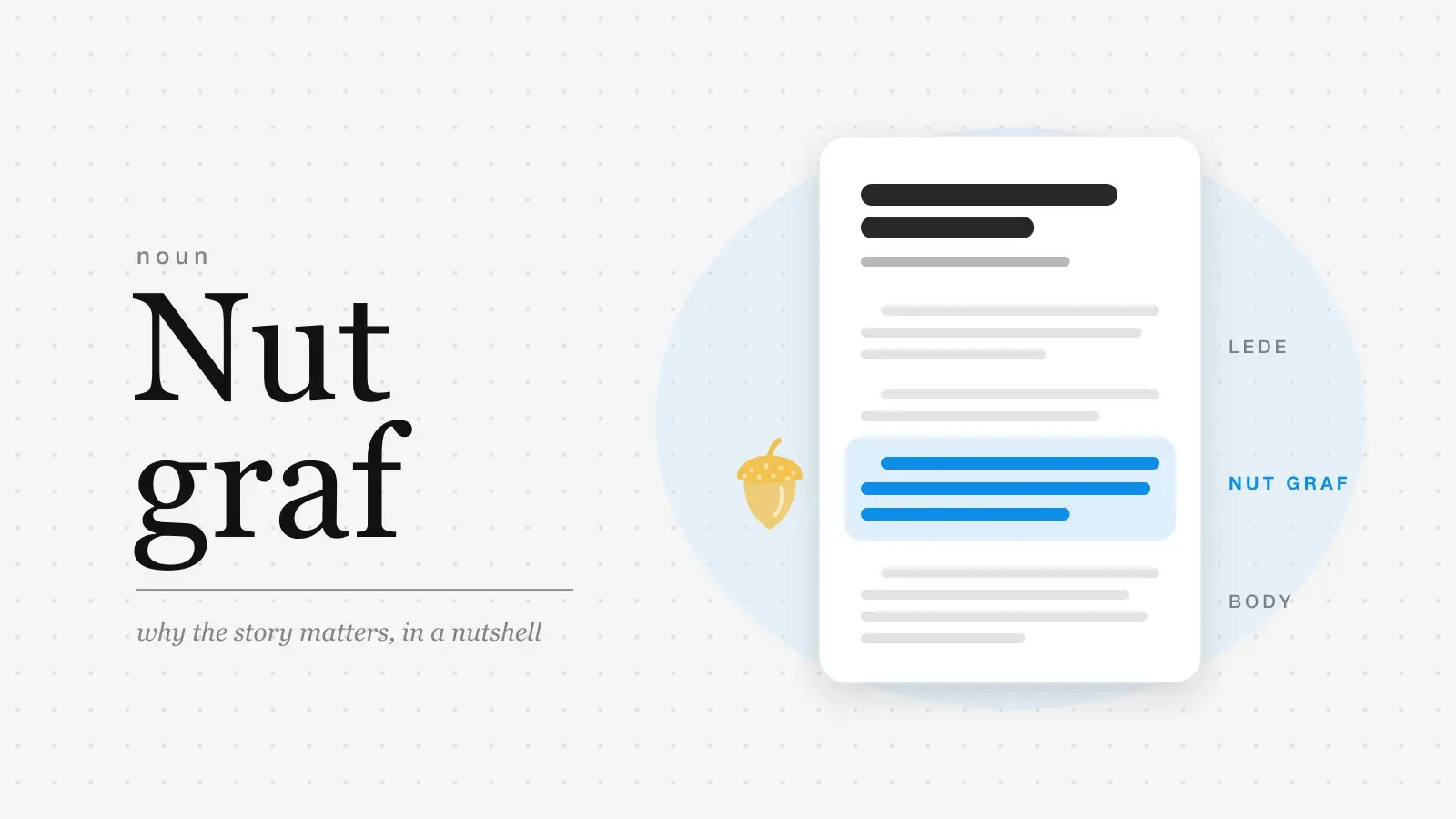
Write what the essay is about and why it matters now, the way a reporter writes a nut graf. If you can't, the pictures won't make it clear either.
- Choose narrative or thematic
Decide by access. If one person will let you stay for days, go narrative. If you can visit many places briefly, go thematic.
- Get access before you shoot
Explain what you're making and where it will appear, ask permission for private spaces, and get a parent's consent before photographing a child. Parks spent a week with Red Jackson before the camera came out.
- Write a shot list by role
List frames by the job each does, using the roles in the table below, a version of the list many photojournalism courses teach. Leave room for the frame you can't plan.
- Shoot far more than you'll use
Frank kept 83 frames out of about 28,000. Expect to discard most of what you shoot, return at different times of day, and shoot key frames both horizontal and vertical.
- Edit and sequence on paper
Lay out small prints or thumbnails. Cut every frame that repeats another and find the pairs that work side by side. Then read the sequence without captions: if the story is lost, a picture is missing.
| Role | What it does | In the shoe-shop plan |
|---|---|---|
| RoleEstablishing | What it doesSets place and time at a glance | In the shoe-shop planThe storefront at 7:45 a.m. |
| RolePortrait | What it doesIntroduces the person the reader follows | In the shoe-shop planRay at his bench |
| RoleDetail | What it doesMakes the reader look closer | In the shoe-shop planHands, the ticket drawer, the key |
| RoleInteraction | What it doesShows relationships | In the shoe-shop planThe regular, the daughter |
| RoleAction | What it doesShows something happening | In the shoe-shop planWrapping the tools |
| RoleSignature | What it doesThe one image that sums up the essay | In the shoe-shop planRay alone at 5 p.m. |
| RoleClose | What it doesEnds the story or leaves it open | In the shoe-shop planThe dark window, one pair left |
Writing captions and the introduction
Captions are where a writer earns a place on a photo essay. A caption should add what the picture can't show: names, the date, what happened just before, what someone said. Describing what is plainly in the frame is the caption version of ignoring show, don't tell.
News captions follow a common pattern: a first sentence in the present tense saying who, what, where and when, then background in the past tense. Magazines and books loosen this, but correct names and a date are the minimum.
3. Ray Delgado restitches a sole on Saturday, March 7, his last day of business on Fulton Street. He opened the shop in 1985 with a secondhand stitching machine he still uses.
8. Delgado stands in the emptied shop at 5 p.m. Thirty-one pairs were never collected. He donated them to a shelter two blocks away.
Captions that work
- Names spelled the way the person confirmed them.
- Place and date in the first sentence.
- One fact the picture can't show.
- The subject's own words, when you have them.
Captions that don't
- “A man working hard in his shop.”
- Notes on the light or the composition.
- Telling readers how to feel: “heartbreaking.”
- Names and ages guessed after the fact.
Write the introduction last: a paragraph or two on what the essay is about, where and when you made it, and why it matters now. The feature story examples show how text and pictures share a longer piece, and the guide to pitching an article covers selling the idea to an editor before you shoot.
Consent, staging and consequences
Publishing a photo essay can change its subjects' lives. After Parks's essay on segregation in Alabama ran in LIFE on September 24, 1956, the Causey family at its center suffered cruel treatment. The best-known picture from Smith's 1970s work on mercury poisoning in Minamata, Japan, of a mother bathing her severely disabled daughter, was later withdrawn from circulation at the family's request. Think about the people in the frame long after the essay is done.
For anything presented as journalism, don't stage scenes or alter images in ways that mislead, as codes such as the National Press Photographers Association's require. If you re-create a moment for a class project, say so in the caption.
Building the essay in Strokes
Before it's a layout, a photo essay is a document: the one-sentence story, the shot list, the sequence and the captions. In Strokes that can be one document in a project folder, with the shot list as a table and the chosen images in order with captions beneath. Version history keeps each sequence you try, so an earlier order is one click away. Export a PDF for an editor or share a link while the file stays on your machine, and ask the AI Assistant to check the captions for a name spelled two ways.
Frequently asked questions
How many photos should a photo essay have?
There is no fixed number. In World Press Photo's 2026 contest a story was 4 to 10 images and a long-term project 24 to 30, which gives a sense of the range. For a class or a publication, follow the brief. Otherwise, edit until every frame adds something the others don't.
What is the difference between a photo essay and a photo story?
Many editors use the terms interchangeably. Where a distinction is made, a photo story is narrative and follows events in order, while a photo essay is thematic and builds an argument from images not tied together in time.
Does a photo essay need text?
Almost always some. News and magazine essays need captions with names, places and dates. Photobooks sometimes use only short titles, as The Americans does, or set the text apart, as Let Us Now Praise Famous Men does.
Where can I see famous photo essays?
Most LIFE issues from 1936 to 1972 are free to read on Google Books, the Gordon Parks Foundation has an online archive of his work, and World Press Photo and the Pulitzer Prize for Feature Photography publish their winners online each year.