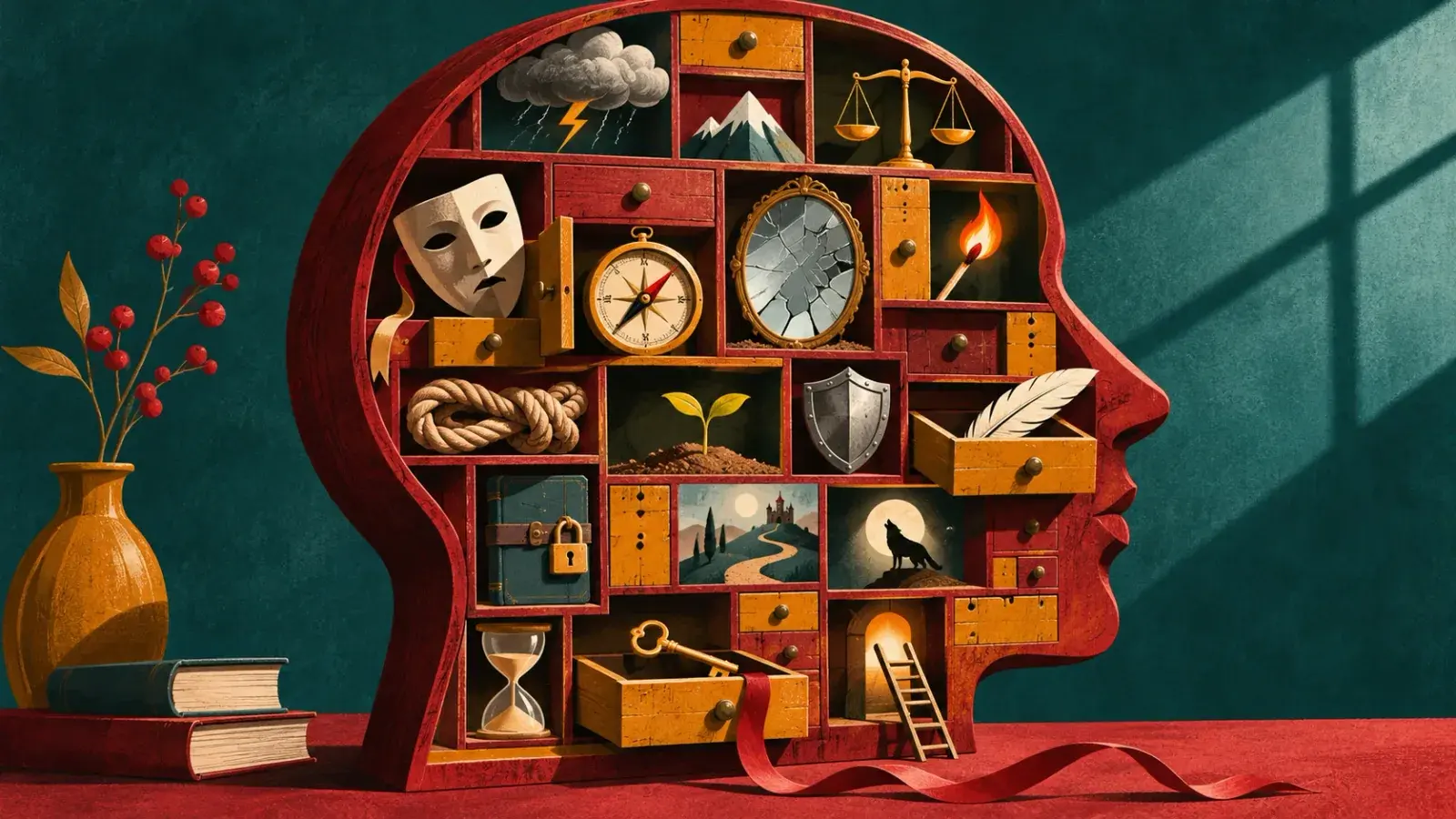
Positive character traits are the qualities that make readers like, trust or admire a character: honesty, courage, kindness, loyalty, patience, curiosity. The 150 below are grouped by where they show, from a character's morals to a crisis, and each comes with a line showing the trait in a scene and a note on the flaw it turns into when overdone. That second note is the useful one, because a virtue with no downside gives the plot little to do.
This is the focused lookup for strengths, and it runs from the strength to the flaw. The negative character traits list runs the other way, pairing 150 negative traits with the strength each one shadows, and the full character traits list adds neutral traits such as frugal, reserved and superstitious.
| Group | Where the traits show | Numbers |
|---|---|---|
| GroupMoral traits | Where the traits showWhat a character won't do, even when it costs them | Numbers1–25 |
| GroupSocial traits | Where the traits showHow they treat people, including people who can't help them | Numbers26–50 |
| GroupEmotional traits | Where the traits showHow they handle what happens to them | Numbers51–75 |
| GroupIntellectual traits | Where the traits showWhat they notice, ask and work out | Numbers76–100 |
| GroupDrive and work traits | Where the traits showHow they go after what they want | Numbers101–125 |
| GroupTraits under pressure | Where the traits showWhat comes out in a crisis, a fight or a deadline | Numbers126–150 |
The strengths below are easy to admire one at a time. Stories test them in pairs. Here is honesty against kindness in one scene, before the list:
Marguerite had read all four hundred pages on the train, twice. At the café Ian ordered for both of them, the way he did when he was nervous, and turned his phone face down.
“Be honest,” he said. “Is it ready?”
She thought of the sixteen agents he had already picked out, and of the ending, which wasn't one yet.
“The first hundred pages are the best thing you've written,” she said, because it was true. She slid the manuscript across the table. “Read me the last chapter. Out loud.”
He got to the third page and stopped, and she watched him hear it.
Marguerite keeps both virtues, at a price: she says only the truth she can stand behind and lets Ian find the rest himself. The reader feels the cost of each option before she chooses, so even a good character's choice carries suspense. Neither virtue is named once.
Positive moral traits
Moral traits decide what a character won't do. They're the easiest virtues to test: put a price on one and see whether the character pays it.
- Honest: tells the teacher it was her own son, not the new boy, who broke the window. Overdone: tactless; mistakes cruelty for candor.
- Candid: tells the founder in the first meeting which part of the plan won't work. Overdone: blunt; says it before anyone asked.
- Loyal: drives through the night to bail out a friend he hasn't spoken to in three years. Overdone: covers for a friend who is lying.
- Principled: returns the award when she learns who paid for it. Overdone: rigid; would rather be right than useful.
- Fair: splits the inheritance three ways, though she did all the nursing. Overdone: keeps score of everything, down to the teaspoons.
- Generous: gives the intern his conference ticket and stays behind to answer the phones. Overdone: gives away what his own family needs.
- Charitable: reads a cruel review of her book as a bad week in the reviewer's life. Overdone: excuses people who need to be stopped.
- Altruistic: spends her vacation reroofing a school she'll never see again. Overdone: forgets she has needs, then resents everyone who has them.
- Compassionate: pays for the baby formula the young mother tried to steal, and walks her to the bus. Overdone: takes on everyone's pain and goes under with it.
- Merciful: lets the deserter go home to his farm instead of reporting him. Overdone: spares the man who will do it again.
- Forgiving: hires back the employee who stole from her, at the same wage. Overdone: a doormat; the same people wrong her every year.
- Humble: asks the apprentice to show her how the new machine works. Overdone: never says what she's good at, and loses the job to someone who does.
- Modest: says “mostly luck” about the rescue that led the evening news. Overdone: false modesty that fishes for a second compliment.
- Honorable: keeps a promise made to a man who has since died. Overdone: keeps a bad promise because breaking it would hurt his pride.
- Conscientious: drives back to the garden center to pay for the bag of soil the cashier missed. Overdone: anxious about every small wrong, real or imagined.
- Scrupulous: logs every cent of the campaign fund, including the coffee she bought herself. Overdone: paralyzed by rules nobody else follows.
- Trustworthy: the one the whole family tells their secrets to, and none of them leak. Overdone: carries so many secrets he can't warn anyone.
- Discreet: leaves the senator's son out of her memoir, though the chapter would have sold it. Overdone: secretive; stays quiet when someone should be warned.
- Grateful: names the night-shift nurse in the acknowledgments of her first book. Overdone: so indebted she can't say no to anyone who helped her.
- Dutiful: visits the uncle nobody likes every Sunday, because someone should. Overdone: lives someone else's life and calls it duty.
- Idealistic: turns down the corporate law firm for a legal clinic above a laundromat. Overdone: blind to how anything actually gets done.
- Tolerant: lets his fifteen-year-old paint the bedroom black. Overdone: tolerates what he should challenge.
- Faithful: keeps her late husband's beehives going, though she's allergic. Overdone: true to a person or a cause long after it has gone.
- Accountable: pays for the broken greenhouse pane out of her own allowance and knocks on the door to say so. Overdone: takes the blame for everything, including the weather.
- Ethical: tells the patient about the cheaper generic drug her own clinic doesn't stock. Overdone: preachy; turns every lunch into a seminar.
Positive social traits
Social traits show in how a character treats other people, especially people who can't do anything for them. They're also where overdoing it is easiest to see: the warm character who can't stop pleasing, the diplomat nobody can pin down.
- Kind: walks the lost tourist ten blocks to the right station instead of pointing. Overdone: can't say a hard thing, so someone else has to.
- Warm: hugs the new neighbors on the day they move in, boxes and all. Overdone: overfamiliar; hugs the bank manager too.
- Friendly: knows the names of the crossing guard's grandchildren. Overdone: can't bear for anyone to dislike her.
- Courteous: stands when an older woman walks into the waiting room. Overdone: so formal that nobody knows what he thinks.
- Tactful: tells the author his ending “asks a lot of the reader” instead of saying it fails. Overdone: so careful the message never arrives.
- Diplomatic: gets the union and the owner to sign the same page by letting each correct the other's typos. Overdone: two-faced; agrees with whoever is in the room.
- Empathetic: sees that the shouting customer is frightened, and lowers her voice instead of raising it. Overdone: soaks up other people's moods until she has none of her own.
- Sympathetic: has a casserole and a handwritten note on the doorstep within an hour of the news. Overdone: offers pity to people who wanted respect.
- Supportive: reads every draft of his wife's dissertation, including the chapter on soil acidity. Overdone: an enabler; backs the plan that will ruin her.
- Encouraging: tells the apprentice her first weld is ugly but strong. Overdone: praises everything, so praise means nothing.
- Hospitable: sets an extra place every night in case someone drops by. Overdone: won't let a guest leave, or lift a finger.
- Appreciative: thanks the bus driver for braking gently, and means it. Overdone: gushes until people are embarrassed to help.
- Attentive: remembers that the client takes her tea black and hates the window seat. Overdone: watchful in a way that makes people feel studied.
- Welcoming: walks the new kid to every table in the cafeteria. Overdone: pushes shy people into a spotlight they didn't want.
- Charming: gets the grumpiest woman on the jury to show him photos of her grandchildren. Overdone: slippery; charm instead of substance.
- Charismatic: keeps a room of tired volunteers folding leaflets until midnight. Overdone: people follow him past the point of sense.
- Humorous: does all the voices in the bedtime story, including the cow. Overdone: jokes his way out of every serious conversation.
- Easygoing: takes the wrong exit, and the day trip becomes a better one. Overdone: passive; lets everyone else decide.
- Cooperative: rewrites her section of the report so it matches the format everyone else used. Overdone: a pushover the whole office has learned to use.
- Gracious: accepts the wrong order with a smile because the waiter is clearly having a bad night. Overdone: hides real hurt behind good manners.
- Respectful: asks the elders' permission before photographing the ceremony. Overdone: deferential; never questions anyone in charge.
- Considerate: texts when she's running five minutes late. Overdone: so afraid of being a bother that she never asks for help.
- Affectionate: greets the dog, the children and her husband at the door, in that order, every evening. Overdone: smothering; can't let anyone have a bad mood alone.
- Agreeable: goes along with the group's choice of restaurant without a sulk. Overdone: has no opinion anyone has ever heard.
- Helpful: shows up with a trailer the morning after the neighbor's tree comes down. Overdone: meddling; helps people who didn't ask.
Positive emotional traits
Emotional traits are how a character handles what happens to them. They show best by contrast: the calm one in a panicking room, the cheerful one on the worst morning of the year.
- Calm: talks the driver through a blowout at seventy miles an hour. Overdone: seems not to care, so people stop telling him things.
- Cheerful: sings in the hospital elevator on the way to her own surgery. Overdone: denial in a bright sweater.
- Optimistic: rebooks the beach house for next summer on the drive home from a week of rain. Overdone: ignores the warning signs until the bank calls.
- Hopeful: writes to the adoption agency every year on her daughter's birthday, in case the girl ever asks. Overdone: lives in a future that isn't coming.
- Resilient: is back on stage a week after forgetting her lines in front of two thousand people. Overdone: never grieves, so the grief comes out sideways.
- Patient: spends a whole summer teaching a seven-year-old to tie his shoes. Overdone: waits for a change that needed a push.
- Gentle: carries the spider out of the bathroom in a teacup. Overdone: too soft to protect anyone.
- Soft-hearted: takes in the neighbor's dog when the neighbor goes to prison. Overdone: an easy mark for every hard-luck story.
- Passionate: argues about the city's bus routes with strangers at the stop. Overdone: exhausting; every topic becomes a crusade.
- Enthusiastic: signs up for the choir, the garden club and a night class in the same week. Overdone: starts everything and finishes little.
- Exuberant: turns cartwheels on the beach on the morning of her fiftieth birthday. Overdone: too much for the room; misses that someone else is sad.
- Playful: hides his daughter's birthday presents in the freezer, the dryer and the mailbox. Overdone: won't be serious when it matters.
- Content: turns down the transfer to headquarters because he likes his walk to work. Overdone: complacent; misses the change that's coming for him.
- Grounded: sleeps eight hours the night before the trial. Overdone: dismisses other people's fears as drama.
- Even-tempered: is the only parent at the game who doesn't shout at the referee. Overdone: never shows anger, even when anger is owed.
- Confident: walks into the audition and asks to read for the lead. Overdone: arrogant; skips the preparation.
- Secure: sings first at karaoke night, badly, and enjoys it. Overdone: stops paying attention to how other people feel.
- Open-hearted: tells a new colleague about her father's drinking on their first coffee break. Overdone: overshares with people who will use it.
- Nurturing: teaches the new line cook to hold a knife, and checks he's eaten before service. Overdone: mothers adults who want to be left alone.
- Romantic: plans the proposal around the bench where they had their first argument. Overdone: in love with the idea more than the person.
- Devoted: learns sign language when his daughter loses her hearing. Overdone: devotion that turns into possession.
- Peaceful: meditates in the car while his wife argues with the mechanic. Overdone: avoids every conflict, so problems grow in the quiet.
- Self-aware: says, “I'm angry, and it isn't about you,” before the fight starts. Overdone: narrates her feelings instead of changing anything.
- Good-humored: laughs when the wedding cake slides off the table and serves it anyway. Overdone: laughs off what should hurt.
- Earnest: practices his best-man speech in front of the dog for a month. Overdone: can't take a joke, or tell one.
Positive intellectual traits
Intellectual traits show in what a character notices, asks and works out. They stage well, because thinking can happen in front of the reader: a clue spotted, a question asked, a guess that turns out right.
- Curious: asks the taxi driver what he did before he drove a taxi, and listens for forty minutes. Overdone: nosy; opens letters that aren't hers.
- Observant: notices the pale band where the widower's wedding ring used to be. Overdone: notices everything and trusts no one.
- Perceptive: knows from the way the doctor sits down that the news is bad. Overdone: reads too much into every pause.
- Insightful: sees that the son's anger at the funeral is really about the will. Overdone: explains people to themselves, unasked.
- Wise: tells the young couple to fight about money now, while the sums are small. Overdone: detached; watches life instead of living it.
- Clever: wins the argument with the landlord by reading his own lease back to him. Overdone: too clever by half; outsmarts himself.
- Intelligent: finds the error in the bus company's timetable and writes to them with the fix. Overdone: condescending.
- Witty: names the office's broken coffee machine “the Senate,” and the name sticks. Overdone: cutting; would rather be funny than kind.
- Imaginative: tells her daughter the radiator is a dragon that eats cold air. Overdone: lives in her head and misses what's in front of her.
- Creative: turns a broken piano into the counter of her café. Overdone: never finishes, because the next idea is better.
- Inventive: rigs a bicycle wheel to turn the spit at the campsite. Overdone: reinvents what already works.
- Analytical: puts the household budget in a spreadsheet with a tab for each child. Overdone: analysis paralysis.
- Logical: breaks the alibi with the train timetable. Overdone: cold; treats grief as an error in reasoning.
- Reasonable: agrees to a new deadline once the client explains the delay. Overdone: reasonable with people who aren't.
- Open-minded: tries the fermented shark her host offers, and asks for the recipe. Overdone: no convictions; the last argument always wins.
- Intuitive: knows something is wrong at home from the way her mother says hello. Overdone: trusts hunches over evidence.
- Learned: can date a church by the shape of its windows. Overdone: pedantic.
- Studious: rereads the textbook chapter before an exam he has already passed. Overdone: lives in books and misses his own life.
- Discerning: picks the one honest mechanic out of five in town. Overdone: snobbish.
- Questioning: asks the priest the question every child is told not to ask. Overdone: can't commit to anything.
- Resourceful: gets the stranded choir to the festival in a borrowed hearse. Overdone: improvises when a plan was needed.
- Articulate: explains the diagnosis to her grandmother in words the doctor didn't use. Overdone: talks people into things.
- Eloquent: gives the toast that makes the groom's father cry. Overdone: beautiful words and no action.
- Visionary: sketches a riverside park on a napkin, and twenty years later it's there. Overdone: impractical; forgets the people who have to build it.
- Reflective: keeps a notebook of her mistakes and rereads it every New Year's Day. Overdone: brooding; lives in the past.
Drive and work traits
Drive traits keep a plot moving, because they make a character want something and go after it. Overdone, they're also the traits that cost characters their marriages, their health and their friends.
- Ambitious: applies for her boss's job the day he announces his retirement. Overdone: ruthless; climbs over the people who helped her up.
- Determined: learns to swim at forty-five so he can scatter his father's ashes at sea. Overdone: can't let go of a lost cause.
- Diligent: checks the footnotes in a book she was hired only to proofread. Overdone: never knows when it's finished.
- Disciplined: runs at six every morning, sleet included. Overdone: joyless; treats rest as weakness.
- Hardworking: works two jobs and still coaches the Saturday soccer team. Overdone: a workaholic whose kids know her from photographs.
- Persistent: knocks on every door in the building until someone admits they saw the van. Overdone: won't take no for an answer, even when no is right.
- Tenacious: keeps chasing the story for six years after her editor kills it. Overdone: obsessive.
- Focused: reads the whole contract while the party goes on in the next room. Overdone: tunnel vision; misses the smoke.
- Reliable: hasn't missed a Thursday shift at the shelter in eleven years. Overdone: everyone leans on her and nobody asks how she is.
- Responsible: pays off his brother's car loan rather than see the bank take the car. Overdone: takes on burdens that aren't his.
- Organized: knows which box in the attic holds the 1998 tax returns. Overdone: controlling; can't bear anyone else's system.
- Meticulous: sands the cabinet door again because of a mark only she can see. Overdone: a perfectionist who never delivers.
- Thorough: interviews every witness, including the one everyone says was drunk. Overdone: slow; the deadline passes while he checks.
- Punctual: is at the gate ninety minutes before boarding. Overdone: can't forgive anyone five minutes.
- Efficient: plans the move so the beds are made up on the first night. Overdone: brusque; treats people like tasks.
- Industrious: builds a boat in the garage over three winters. Overdone: can't sit still for a single evening.
- Competent: lands the small plane when the instructor faints. Overdone: does everything herself and never trains anyone.
- Proactive: books the plumber before the drip becomes a leak. Overdone: acts before anyone else has agreed.
- Enterprising: turns her grandmother's pickle recipe into a farmers' market stall. Overdone: sees a market in everything, friendship included.
- Self-reliant: rebuilds the porch steps herself from a library book. Overdone: refuses help while she's drowning.
- Independent: moves at nineteen to a city where she knows nobody. Overdone: can't let anyone close.
- Adaptable: teaches the class outside when the school's heating fails. Overdone: bends to every pressure, so nobody knows where he stands.
- Practical: gives her daughter a fire extinguisher as a housewarming present. Overdone: sees no point in anything that isn't useful.
- Dedicated: sleeps at the lab during the trial so the samples don't spoil. Overdone: gives the job what belonged to everyone else.
- Prudent: keeps six months' rent in a savings account. Overdone: so careful she never takes the chance.
Traits under pressure
Some virtues only show when something goes wrong. These are the traits for a crisis, a fight or a deadline, and the ones readers remember from a climax.
- Brave: wades into the floodwater after a stranger's child. Overdone: reckless; walks into danger nobody needed him to.
- Fearless: climbs onto the roof in a gale to tie down the solar panels. Overdone: can't understand other people's fear, so she dismisses it.
- Bold: asks the senator the question everyone else at dinner is avoiding. Overdone: brash.
- Daring: crosses the border at night with the documents sewn into her coat. Overdone: takes risks for the rush.
- Steady: holds the flashlight still while the vet stitches the dog. Overdone: so hard to read that people think he doesn't feel it.
- Composed: finishes her keynote from memory after the projector dies. Overdone: icy; nobody can tell when she's drowning.
- Cool-headed: talks the gunman into setting the rifle on the counter. Overdone: detached; treats lives as a math problem.
- Decisive: orders the evacuation before the alarm sounds. Overdone: rash; decides before the facts are in.
- Quick-thinking: tells the guard she's the bride's cousin, and gets in. Overdone: improvises lies that keep growing.
- Unflappable: keeps plating lunch while the kitchen floods around her ankles. Overdone: seems to take nothing seriously.
- Stoic: sits through every chemotherapy appointment alone, with a crossword, and never mentions them at work. Overdone: won't admit pain, even to a doctor.
- Steadfast: refuses to sign the false confession through three days of questioning. Overdone: stubborn.
- Gritty: finishes the marathon last, in the dark, after the officials have gone home. Overdone: won't quit even when quitting is right.
- Defiant: keeps teaching girls to read after the order to stop. Overdone: rebels against good advice too.
- Self-controlled: keeps his hands at his sides while a drunk shouts in his face. Overdone: repressed; the anger comes out years later.
- Selfless: stays on the ward during the outbreak so the younger nurse can go home to her kids. Overdone: a martyr who makes everyone else feel guilty.
- Gallant: gives his coat to a stranger shivering at the bus stop. Overdone: rescues people who didn't need rescuing.
- Assertive: tells the surgeon she wants a second opinion. Overdone: aggressive.
- Forthright: tells the press conference the delay was the company's fault. Overdone: says the true thing at the worst possible moment.
- Commanding: has the panicking crowd in two orderly lines within a minute. Overdone: domineering; keeps giving orders after the crisis ends.
- Inspiring: gets a losing team to play the last quarter like the first. Overdone: talks people into risks they can't afford.
- Protective: follows her daughter's school bus on its first winter run. Overdone: won't let anyone take a risk.
- Tough: sleeps in her truck for a winter rather than ask her ex for money. Overdone: hard; won't let anyone in.
- Dignified: leaves the courtroom without a word to the cameras. Overdone: proud; would rather lose than look foolish.
- Indomitable: learns to walk again at sixty-eight and enters the hill race the next spring. Overdone: can't hear when the world is telling her something.
When a strength goes too far
A positive trait rarely turns into a flaw in one step. It drifts. Honesty becomes a habit of saying the hard thing first, then a reputation, then the reason friends stop asking her opinion. The notes in italics mark where that drift ends up. Show the virtue working well first, so the reader admires it, and the slide becomes something they watch happen instead of something they're told.
An overdone note becomes plot when you follow it to a price. Here are five strengths from the list, each carried one step further:
| Strength | Overdone, in a scene | What it costs |
|---|---|---|
| StrengthLoyal | Overdone, in a sceneSwears his friend was with him the night of the break-in | What it costsWhen the friend is charged, so is he, for lying to the police |
| StrengthGenerous | Overdone, in a sceneLends her brother the deposit for the third time | What it costsShe can't make her own rent and moves back in with her mother |
| StrengthDetermined | Overdone, in a sceneWon't settle the lawsuit after the evidence turns against her | What it costsThe legal fees take the house she was fighting for |
| StrengthPatient | Overdone, in a sceneGives the tenant one more month, then another | What it costsHer own mortgage payment bounces in March |
| StrengthProtective | Overdone, in a sceneWon't let her son ride the bus alone at fifteen | What it costsAt eighteen he lies about where he goes, because the truth was never allowed |
Classic fiction is full of good people undone by their best quality.
| Character | The strength | Overdone | What it costs |
|---|---|---|---|
| CharacterMr. Bennet, Pride and Prejudice (1813) | The strengthWitty, easygoing | OverdoneTreats his family's follies as a private joke instead of checking them | What it costsHe lets Lydia go to Brighton against Elizabeth's advice, and she runs off with Wickham |
| CharacterAngel Clare, Tess of the d'Urbervilles (1891) | The strengthPrincipled, idealistic | OverdoneLoves an ideal of purity more than the woman he married | What it costsOn their wedding night Tess forgives his past, and he can't forgive hers: “the woman I have been loving is not you” |
| CharacterCaptain Ahab, Moby-Dick (1851) | The strengthDetermined, commanding | OverdoneTurns a whaling voyage into a hunt for the one whale that took his leg | What it costsThe Pequod and every man aboard but Ishmael |
| CharacterBrutus, Julius Caesar (c. 1599) | The strengthPrincipled, honorable | OverdoneBelieves a noble cause excuses a murder, and that his rivals are as honorable as he is | What it costsHe lets Antony speak at Caesar's funeral, and Antony turns Rome against the conspirators |
| CharacterJavert, Les Misérables (1862) | The strengthDutiful, just | OverdoneDuty so absolute that mercy breaks him: he can't live with bending the law, even for the man who spared his life | What it costsHe lets Valjean go, then drowns himself in the Seine |
| CharacterDon Quixote, Don Quixote (1605) | The strengthIdealistic, imaginative | OverdoneReads so many tales of chivalry that he takes windmills for giants and charges them | What it costsHe is beaten and mocked across Spain |
Dickens could do it in a single line. In Bleak House (1852–53), Mrs. Pardiggle introduces herself: “I am a School lady, I am a Visiting lady, I am a Reading lady, I am a Distributing lady.” Charity has become her identity, and the reader can hear that it's no longer about the people she visits.
When two virtues collide
Good against evil is the easy choice. Good against good is the one readers argue about. Set two of a character's virtues against each other and every option costs something they believe in.
| Virtue | Against | The scene it gives you |
|---|---|---|
| VirtueHonest | AgainstKind | The scene it gives youHer friend asks whether his novel is ready. It isn't, and he has already told his mother it's done. |
| VirtueLoyal | AgainstFair | The scene it gives youHis brother leaked the exam, and an innocent student is about to be expelled for it. |
| VirtueBrave | AgainstResponsible | The scene it gives youShe can go back for the neighbor's dog or get her own children to the car. |
| VirtueAmbitious | AgainstDevoted | The scene it gives youThe promotion is in Singapore, and her father has just stopped recognizing the street he lives on. |
| VirtueMerciful | AgainstJust | The scene it gives youThe boy who robbed the pharmacy did it for his sister's insulin. |
| VirtueIndependent | AgainstLoving | The scene it gives youMoving in together means giving up the apartment she spent eight years saving for. |
| VirtueDiscreet | AgainstHonest | The scene it gives youHe knows about the affair, and his best friend asks him straight out. |
| VirtueGenerous | AgainstPrudent | The scene it gives youHer nephew needs the down payment she saved for her own retirement. |
| VirtuePatient | AgainstDecisive | The scene it gives youThe tenant is three months behind, and it's December. |
The scene with Marguerite and Ian, near the top of this page, plays out the first row.
Keep a good character interesting
A character built only from this page would be easy to admire and hard to remember. These steps turn virtues into story:
- Build on one virtue
Readers tend to remember a character by one virtue tested hard, not by six named once. Choose the one the plot will lean on and let the others stay in the background. Write it, its overdone version and the virtue it competes with into the character profile template, which keeps a strength and a flaw side by side under Personality.
- Make it cost something early
In the first chapters, let the virtue cost a little: a sale, an evening, an awkward silence. A virtue that never costs anything reads as a compliment, not a trait.
- Show the edge once
Use the overdone note. Somewhere in the middle, let the virtue go too far and hurt someone. A good character who is wrong is easier to believe than one who is always right.
- Let the cast disagree about it
One character calls it loyalty, another calls it blindness. When the people around a virtue argue about it, the reader starts weighing it too. A foil with the opposite trait sharpens the argument.
- Charge full price at the climax
The last test should cost what the character wants most. Whether they keep the virtue, temper it or give it up decides their character arc.
- Give them one real weakness
Virtues are believable next to a flaw. The character flaws list sorts 130 of them from minor to fatal, with what each one costs.
Once a few chapters are drafted, ask the Strokes Assistant where the core virtue shows and what it costs the character each time. A scene where the answer is “nothing” is the one to rework.
Mistakes with positive traits
- The Mary Sue. A character with only virtues, good at everything and admired by everyone. The name comes from Paula Smith's 1973 Star Trek parody “A Trekkie's Tale,” published in the fanzine Menagerie, and readers still use it for any hero the story can't find fault with.
- Praise instead of proof. Other characters keep saying how kind she is. Readers trust one kind act over ten compliments, which is show, don't tell at the level of a single trait.
- A virtue the plot always rewards. If honesty always wins and kindness is always repaid, the story has stopped testing anything. Let a virtue lose sometimes.
- Flaws that are really virtues. “Cares too much” and “too honest” cost nothing unless the story makes them cost something. Readers recognize a compliment in disguise.
- Virtues with no friction. If a character's virtues never compete, every choice is obvious and the reader can skip ahead.
- A cast of nice people. When everyone is kind, patient and reasonable, nobody pushes. Give at least one character a virtue that clashes with the hero's: a fair-minded judge against a merciful one.
Frequently asked questions
Can a positive trait be a flaw?
Yes. Many flaws are virtues in excess or aimed at the wrong target: honesty that wounds, loyalty that hides a crime, determination that won't drop a lost cause. Classic fiction is full of examples, from Mr. Bennet's easygoing wit in Pride and Prejudice to Captain Ahab's determination in Moby-Dick. Pushing a strength too far is a common way to give a likable character an arc.
How many positive traits should a character have?
Give a main character one core virtue that the plot will test hard and two or three smaller ones that make them good company. More than that blurs the picture. They also need at least one real weakness, or the virtues won't be believable. Minor characters can run on a single trait, shown once.
Can a villain have positive traits?
Yes, and the most memorable villains usually do: courage, discipline, loyalty to their own people, even tenderness toward one person. A villain's virtues make them more dangerous and harder to dismiss, because the reader can see what they might have been. Give the virtue a real scene of its own, then let the villain aim it at the wrong goal.